Serious Design
My two favorite design disciplines are graphic design and architecture. My earliest exposure to the latter was from when I was little and used to play with my dad‘s drafting table and T-square. He was an architect. As for the former, I got interested serendipitously in my first year of university.
I studied computer engineering, so I don’t have any formal knowledge of architecture or graphic design. I’ve learned the little I know of both disciplines through magazines, books, and articles on the internet. I love reading about architects, graphic designers and how they approach their practice.
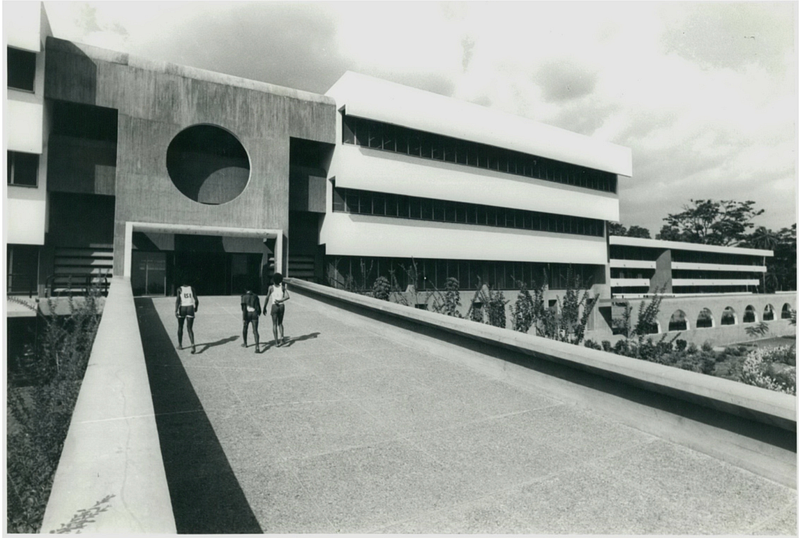
Architecture defines our relationship with the physical space we exist in. In that light, it can be very functional. But it’s also very much an art form because there is immense artistic expression to how buildings look and feel. Graphic design, on the other hand, is the evasive love of my life. I started out as a graphic designer; in retrospect, I was good at collaging not creating. I was never able to create the quality of graphic design work I admire — work that straddles the line between original creativity, good communication, and perfect composition.
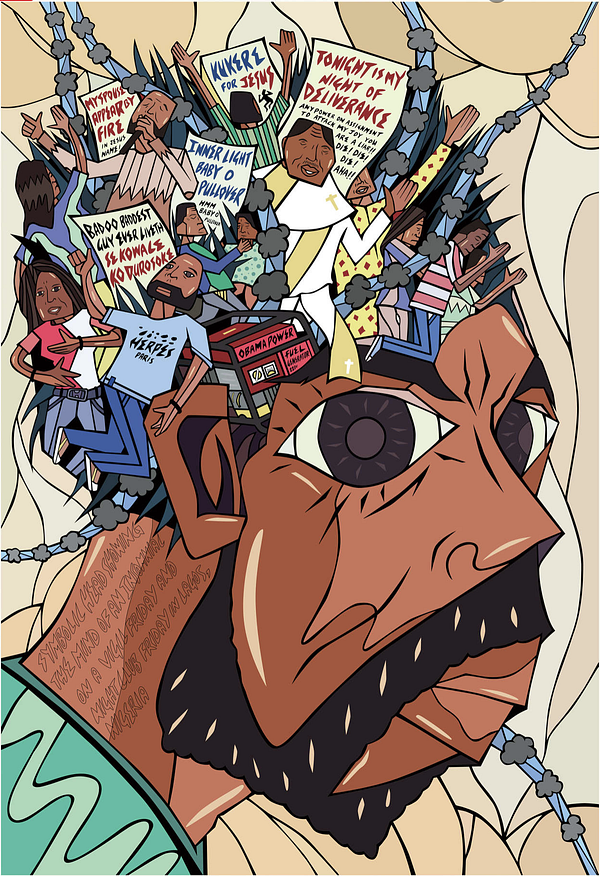
; R: Fela album cover by [Lemi Ghariokwu](http://lemighariokwu.com), the King of Covers;](/assets/images/posts/2019-04-18-serious-design/1-8OypnGhS0lzFtN_wEPtRmg.jpeg)
The type of design I do now struggles with its personality. I’ve described it before as software design, product design, and even interaction design. These days, I call it user experience design.
We’re one of the youngest crops of designers, a product of the rapid spread and democracy of the internet. While there is a good amount of content that discusses UX design, it’s still very much an informal practice. Many of us still approach our work more like art than design.
In looking to take my craft more seriously, I’ve been exploring its similarities to architecture and graphic design.
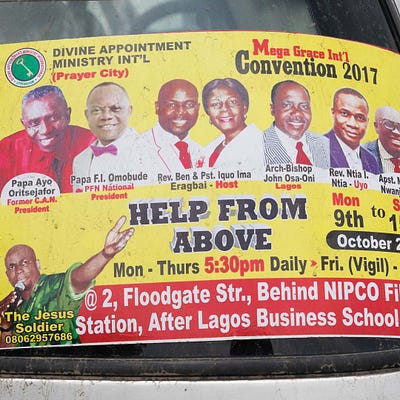

, an Instagram collection of Nigerian Graphic Design; M: From [Autotypographics](https://www.instagram.com/autotypographics/), another Instagram collection. This one is of inscriptions on Ghanian vehicles; R: Recently stumbled on interesting graphic design work by Sam Omo [https://www.downsign.com/](https://www.downsign.com/)](/assets/images/posts/2019-04-18-serious-design/0-3HG0jmPxPnm_giqG.jpg)
UX design and architecture both start out as two-dimensional explorations of space. How should a person interact with a given space? The latter evolves into a physical form—a building, but the former stays two-dimensional.
Compare an online and physical store of your favorite retailer. In both cases, space is converted into an experience involving clothes. The layout of either store is purposefully designed to get you to the goal of eventually buying something. You find them via an address. In both spaces, you navigate through a purposeful layout, aided by graphical elements like typographic signs to achieve this goal.
In UX design though, the outcome is entirely visual. This is where it draws from graphic design. Form has to be communicated visually, and so UX design applies graphic design to communicate how to navigate the space.
Finally, in all three there’s artistic expression involved. Websites and apps aim not just to provide a function or communicate information. Sometimes, the goal is to visually stimulate.
](/assets/images/posts/2019-04-18-serious-design/1-pCn1G4B1ZJ1-ZqGmhEEzJw.png)
Many times, I feel like I chickened out and went with the easy, unregulated design practice, the one where anyone can be self-proclaimed “world-class” after a few months of tutorials.
But in the end, this drives me to understand my work deeper, reach for high standards, and to pay attention to all the little details. I guess it’s what any other design practice would require of me.
I’m reaching into the history of graphic design and architecture to be able to think about what I do better. It’s too early to say how much this will improve my work. Regardless, learning how we’ve interacted with the world and communicated with one another is knowledge that justifies itself.